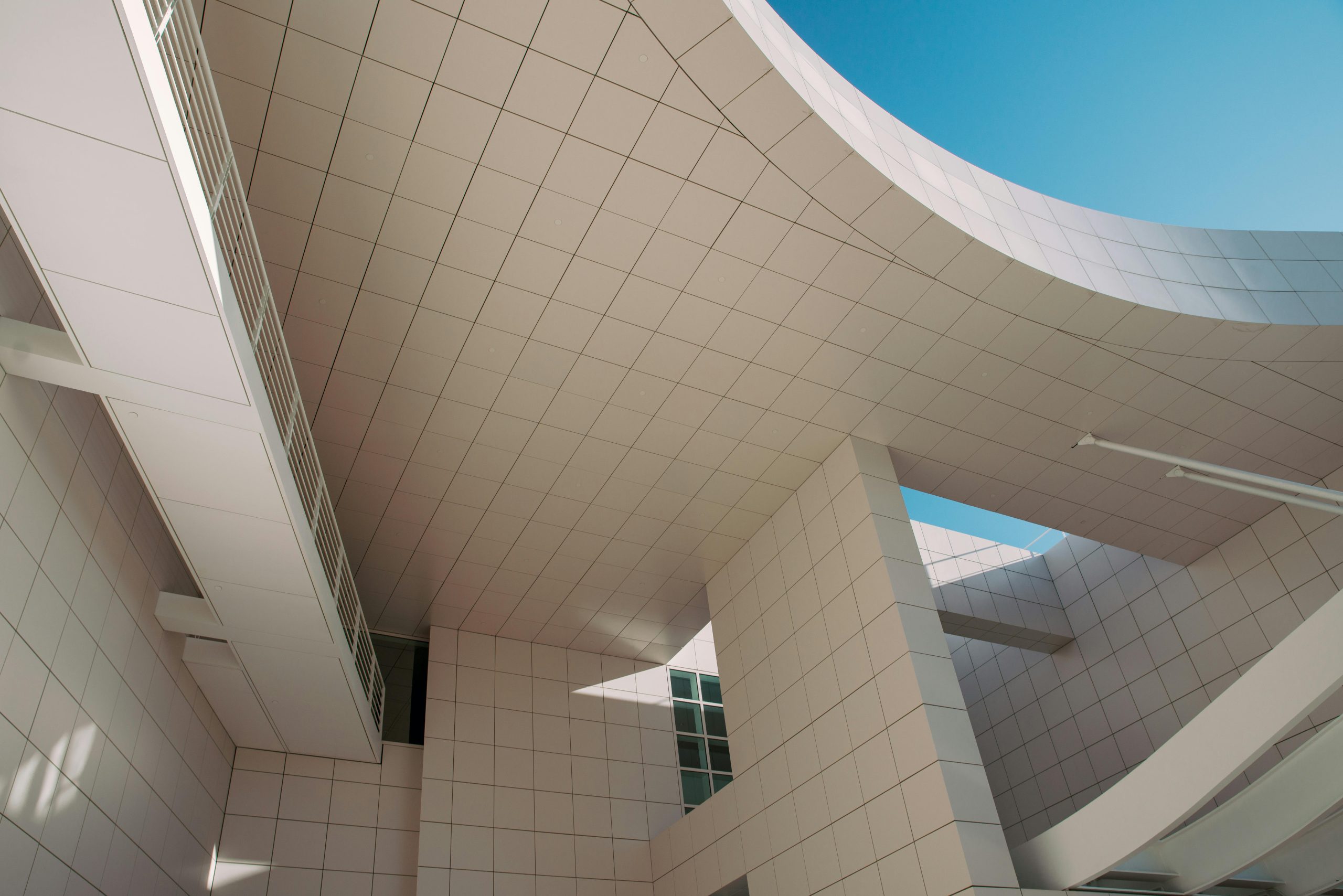
Architecture in the 21st Century: How Design Shapes Economic Growth, Sustainability, and Urban Life
Architecture has always been more than the creation of buildings—it is a reflection of economic priorities, cultural values, and technological progress. In today’s rapidly evolving global economy, architecture sits at the intersection of business, sustainability, and innovation. From high-performance office towers to adaptive reuse of historic spaces, modern architectural practices are shaping not just skylines, but also the future of how people live, work, and interact.
As cities continue to expand and industries shift toward sustainability and efficiency, architecture has emerged as a critical driver of long-term economic and social value. Understanding its role offers insights into broader market trends, investment opportunities, and urban development strategies.
The Economic Impact of Architecture
Architecture plays a significant role in economic development by influencing real estate value, attracting investment, and supporting job creation. Well-designed buildings and urban environments increase property values, stimulate local businesses, and enhance the appeal of cities to both residents and corporations.
Major financial hubs such as New York, London, and Singapore demonstrate how iconic architecture can reinforce global economic positioning. Landmark developments often serve as catalysts for surrounding infrastructure and commercial growth. For example, the development of mixed-use complexes—combining office space, retail, and residential units—has become a cornerstone strategy for maximizing urban land use and driving consistent revenue streams.
Beyond aesthetics, architecture contributes to operational efficiency. Smart building design can significantly reduce energy consumption and maintenance costs, making properties more attractive to investors and tenants. In a competitive real estate market, these factors often determine long-term asset performance.
Sustainability as a Core Design Principle
Sustainability is no longer a niche consideration—it is now a central requirement in modern architecture. Governments, corporations, and consumers increasingly demand environmentally responsible design, pushing architects to integrate energy-efficient systems, renewable materials, and low-impact construction methods.
Green building certifications such as LEED (Leadership in Energy and Environmental Design) and WELL have become benchmarks for quality and sustainability. These standards not only reduce environmental impact but also improve occupant health and productivity, which is especially important in commercial spaces.
One of the most impactful trends is the rise of net-zero buildings—structures designed to produce as much energy as they consume. These buildings utilize advanced insulation, solar panels, and smart energy systems to achieve long-term sustainability goals. While initial costs may be higher, the lifecycle savings and environmental benefits make them increasingly attractive for developers and investors.
Additionally, adaptive reuse—repurposing old buildings for new uses—has gained momentum as a sustainable alternative to demolition. This approach preserves cultural heritage while minimizing construction waste and resource consumption.
Technology Transforming Architectural Design
The integration of technology has fundamentally transformed how architecture is conceptualized, designed, and executed. Tools such as Building Information Modeling (BIM), artificial intelligence, and parametric design enable architects to create more precise, efficient, and innovative structures.
BIM, for instance, allows for detailed 3D modeling and real-time collaboration among stakeholders, reducing errors and improving project timelines. AI-driven design tools can analyze vast datasets to optimize layouts for energy efficiency, natural lighting, and occupant comfort.
Another emerging trend is the use of digital twins—virtual replicas of physical buildings that allow for ongoing monitoring and optimization. These models help property managers predict maintenance needs, reduce operational costs, and improve overall building performance.
Smart buildings, equipped with IoT (Internet of Things) sensors, are also becoming increasingly common. These systems monitor everything from air quality to energy usage, enabling real-time adjustments that enhance both efficiency and user experience.
Urbanization and the Future of Cities
As urban populations continue to grow, architecture plays a crucial role in addressing the challenges of density, mobility, and livability. The United Nations projects that nearly 70% of the global population will live in urban areas by 2050, placing immense pressure on infrastructure and housing.
Architects and urban planners are responding with innovative solutions such as vertical cities, transit-oriented developments, and mixed-use neighborhoods. These designs aim to reduce commute times, promote walkability, and create more cohesive communities.
Affordable housing remains one of the most pressing issues in urban development. Architects are increasingly exploring modular construction and prefabrication techniques to reduce costs and accelerate project timelines. These methods not only make housing more accessible but also improve construction efficiency and quality control.
Public spaces are also receiving renewed attention. Parks, pedestrian zones, and community centers are being integrated into urban plans to enhance quality of life and foster social interaction. In many cases, these spaces contribute to economic vitality by attracting tourism and supporting local businesses.
The Role of Architecture in Corporate Strategy
For businesses, architecture is more than just a physical necessity—it is a strategic asset. Office design, for example, has evolved significantly in response to changing work patterns, particularly with the rise of remote and hybrid models.
Modern workplaces prioritize flexibility, collaboration, and employee well-being. Open layouts, natural lighting, and biophilic design elements—such as indoor plants and natural materials—have been shown to improve productivity and job satisfaction.
Corporate headquarters also serve as brand statements. Companies invest heavily in architectural design to reflect their identity, values, and innovation capabilities. Tech giants, in particular, have set new standards with campuses that emphasize sustainability, creativity, and employee experience.
Retail architecture is undergoing a similar transformation. As e-commerce continues to grow, physical stores are being reimagined as experiential spaces that blend shopping with entertainment and engagement. This shift underscores the importance of design in shaping customer behavior and driving sales.
Challenges Facing the Architecture Industry
Despite its opportunities, the architecture sector faces several challenges. Rising material costs, supply chain disruptions, and regulatory complexities can impact project feasibility and timelines. Additionally, balancing sustainability goals with budget constraints remains a persistent issue.
Labor shortages in construction and skilled design professionals also pose risks to project delivery. As demand for sustainable and technologically advanced buildings increases, the need for specialized expertise continues to grow.
Another critical challenge is climate resilience. Architects must design buildings that can withstand extreme weather conditions, rising sea levels, and other environmental risks. This requires a forward-thinking approach that integrates resilience into every stage of design and construction.
Looking Ahead: Architecture as a Long-Term Investment
Architecture is increasingly viewed through the lens of long-term value creation. Investors, developers, and policymakers recognize that well-designed buildings offer benefits that extend far beyond their initial cost.
Future trends point toward greater integration of sustainability, technology, and human-centric design. Buildings will not only serve functional purposes but also adapt to changing needs over time. Flexibility, resilience, and efficiency will define the next generation of architectural innovation.
For stakeholders across industries, understanding these trends is essential. Architecture is no longer a passive backdrop—it is an active force shaping economic outcomes, environmental impact, and societal well-being.
As cities evolve and global priorities shift, architecture will remain at the forefront of transformation, influencing how we build, invest, and live for decades to come.

Post Comment